The Case for Dumb Tech
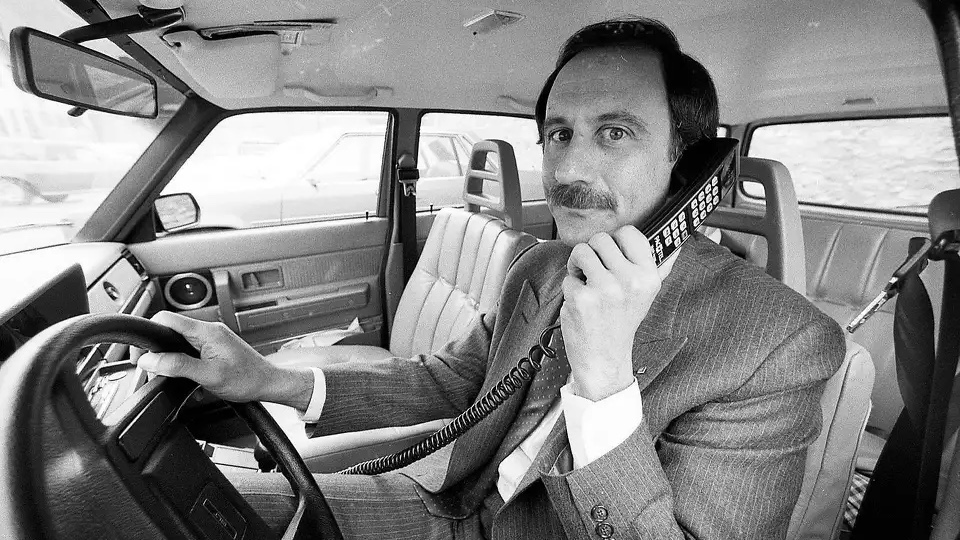
I like technology. A lot. I like new gadgets, I like figuring out how things work, and I have no problem admitting that there are plenty of things I own simply because they seemed interesting.
But somewhere along the way, we collectively decided that every object in our lives needed to become smarter. That sounds like progress until your alarm clock needs a software update.
There is something to be said for a device that does one thing, does it well, and has absolutely no ambition beyond that.
The alarm clock had one job
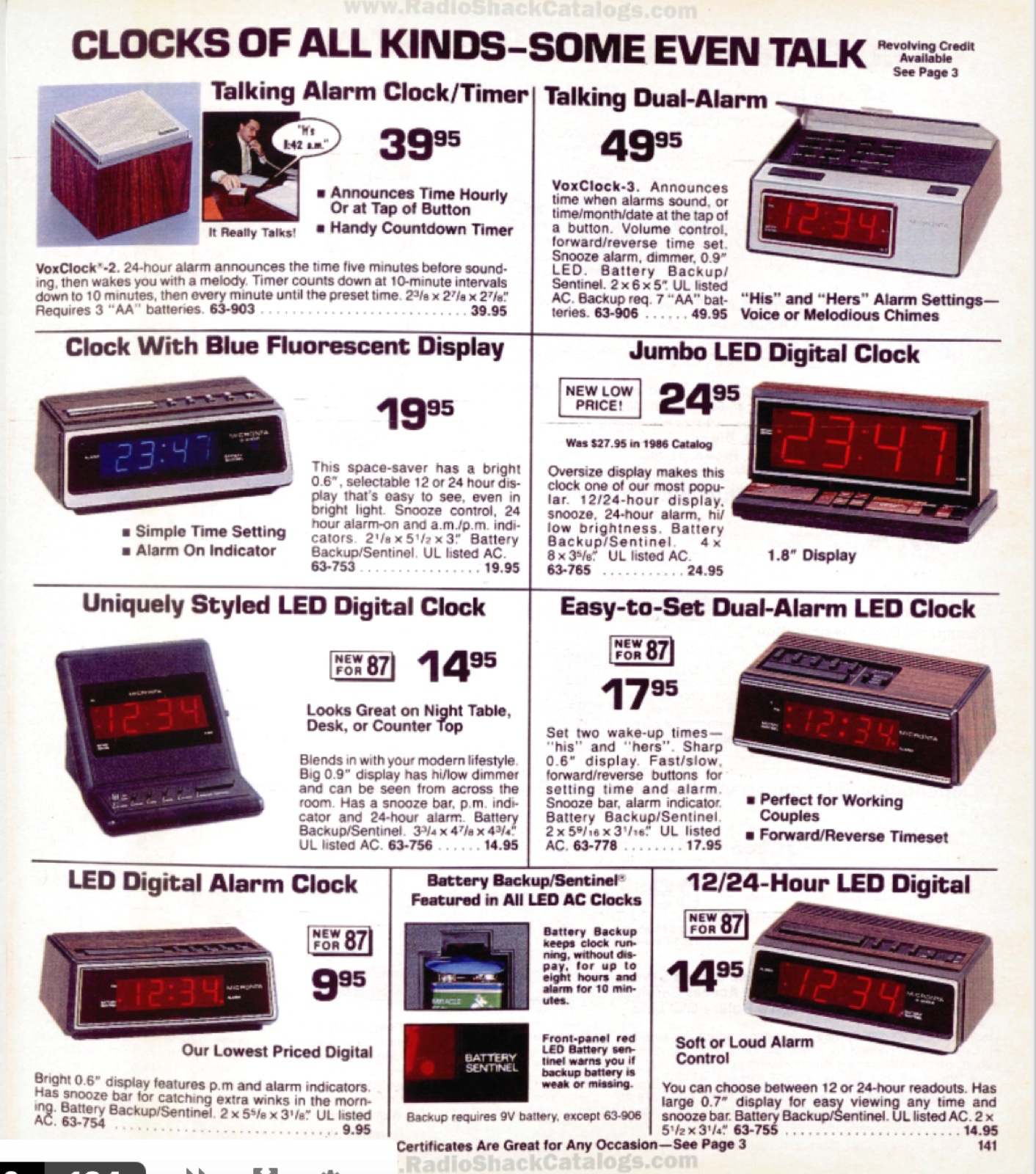
The alarm clock may be the perfect example. For years, most of us have used our phones as alarm clocks. It makes sense. The phone is already sitting next to the bed, it knows what time it is, and it can handle multiple alarms without needing another device cluttering up the nightstand.
Until it doesn't. Who hasn't gone to sleep assuming their phone was charging, only to wake up to a dead battery? Maybe the cable wasn't seated correctly. Maybe the charger got unplugged. Maybe the phone decided not to charge because of some temperature warning. Whatever happened, your extraordinarily sophisticated pocket computer failed at a job that a $15 alarm clock from RadioShack could perform with almost insulting reliability.
The old alarm clock wasn't trying to sync with anything. It didn't need Wi-Fi. It didn't care whether you had an account. It didn't ask for permission to send you notifications.
It displayed the time and made an obnoxious noise when you told it to. That was the entire product specification.
And if you were really living large, it had a nine-volt battery in the bottom so the thing still worked when the power went out. That is difficult to improve upon.
Wired headphones never forgot how to be headphones
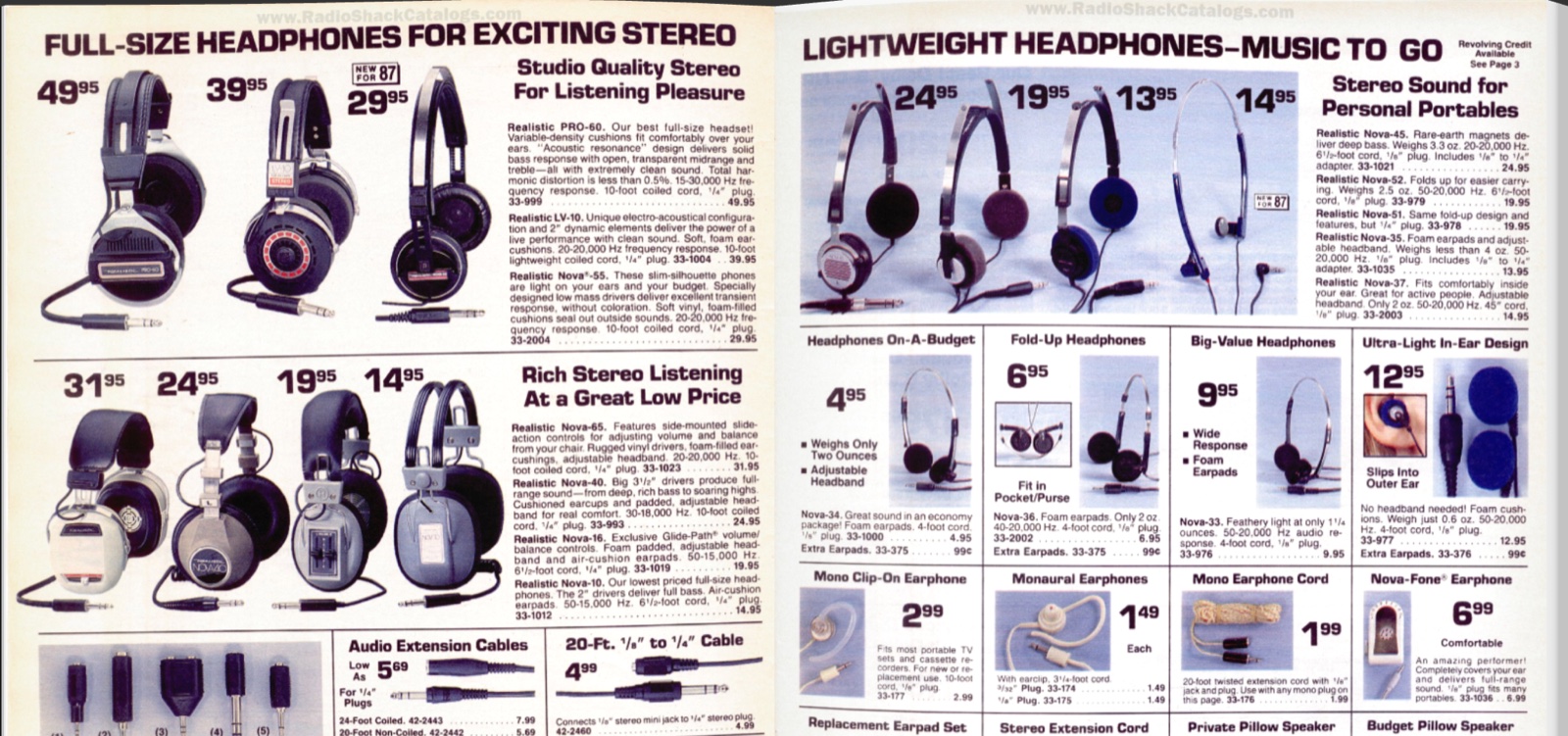
I keep a pair of wired headphones in my bag, particularly when I'm traveling. Not because I'm making some audiophile argument about analog sound. Not because I'm nostalgic for tangled cords. Bluetooth headphones are incredibly convenient, and I use them all the time.
But on a long flight, there is something reassuring about knowing that the wired pair is sitting there.
They don't have a battery percentage. They don't need to pair. They don't occasionally decide that they would rather connect to a completely different device somewhere in the vicinity.
There is no firmware. There is no moment where one earbud works and the other one has apparently entered into a labor dispute.
You plug them in and sound comes out.
If your Bluetooth headphones have 3 percent battery left somewhere over Nebraska, the cheap wired headphones in your bag are going to work exactly the same way they did when you packed them. That reliability starts to feel like a feature.
Paper has outstanding battery life
A paper notebook may be the ultimate piece of dumb technology. It has unlimited standby time. It boots instantly. It doesn't need an account. It works in direct sunlight. It doesn't care what operating system you use. And its battery life is spectacular.
I've always been partial to Moleskine notebooks. There is something about opening one, writing something down, closing it, and knowing exactly where that information lives.
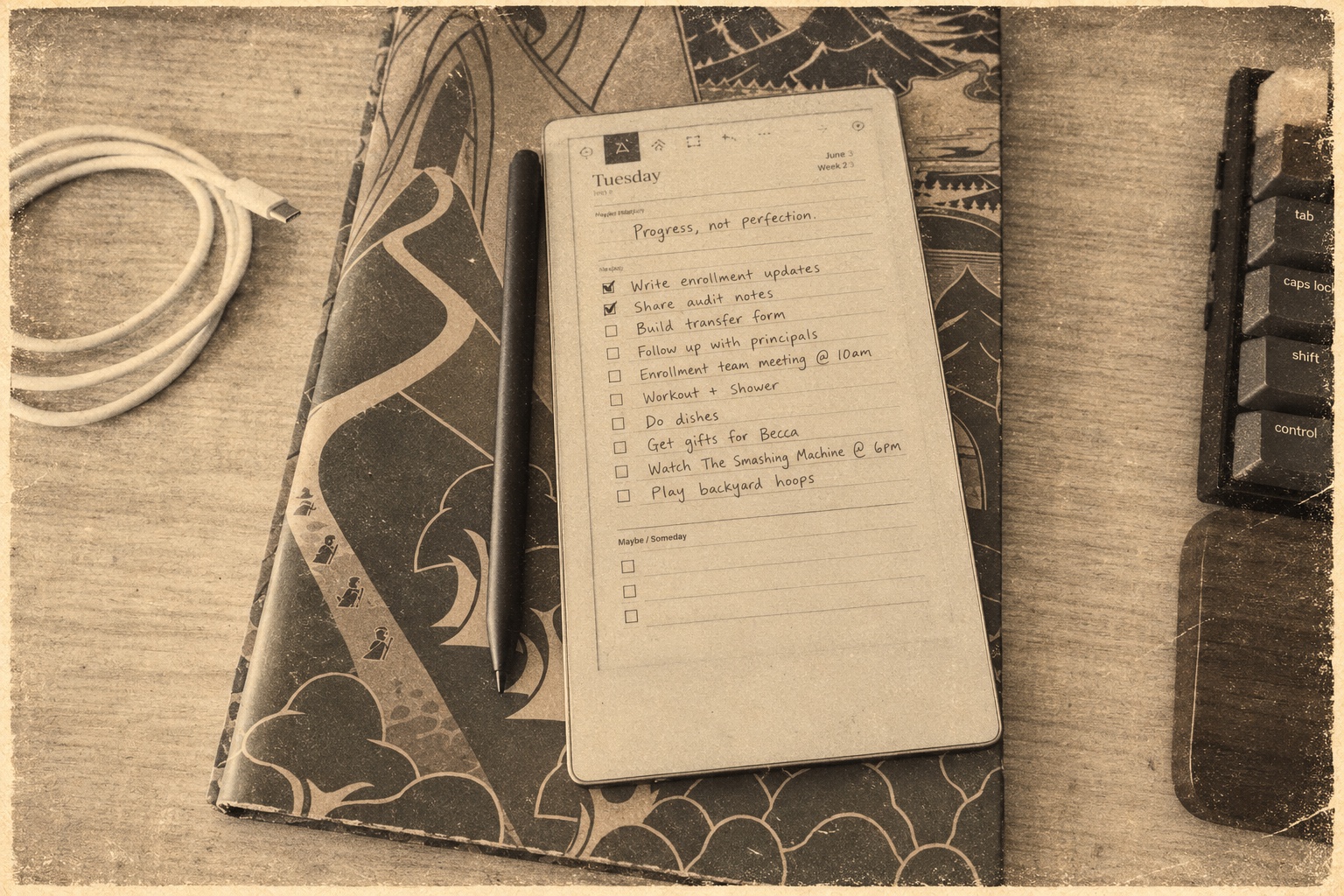
Lately, though, I've been using a ReMarkable, and I absolutely love it. That might seem like it undermines the entire argument, but I think it actually makes the point.
The ReMarkable works because it doesn't try to turn a notebook into something else. It takes the basic experience of writing on paper and adds some genuinely useful capabilities: organization, searchable files, easy storage, multiple notebooks without carrying five different notebooks around.
It doesn't need to become an entertainment center. It isn't constantly demanding your attention. Most of the time, it simply gets out of the way and lets you write.
Smart technology is great when the intelligence improves the original experience. It's less impressive when the intelligence exists primarily because somebody figured out how to put Wi-Fi in the product.
Buttons are better
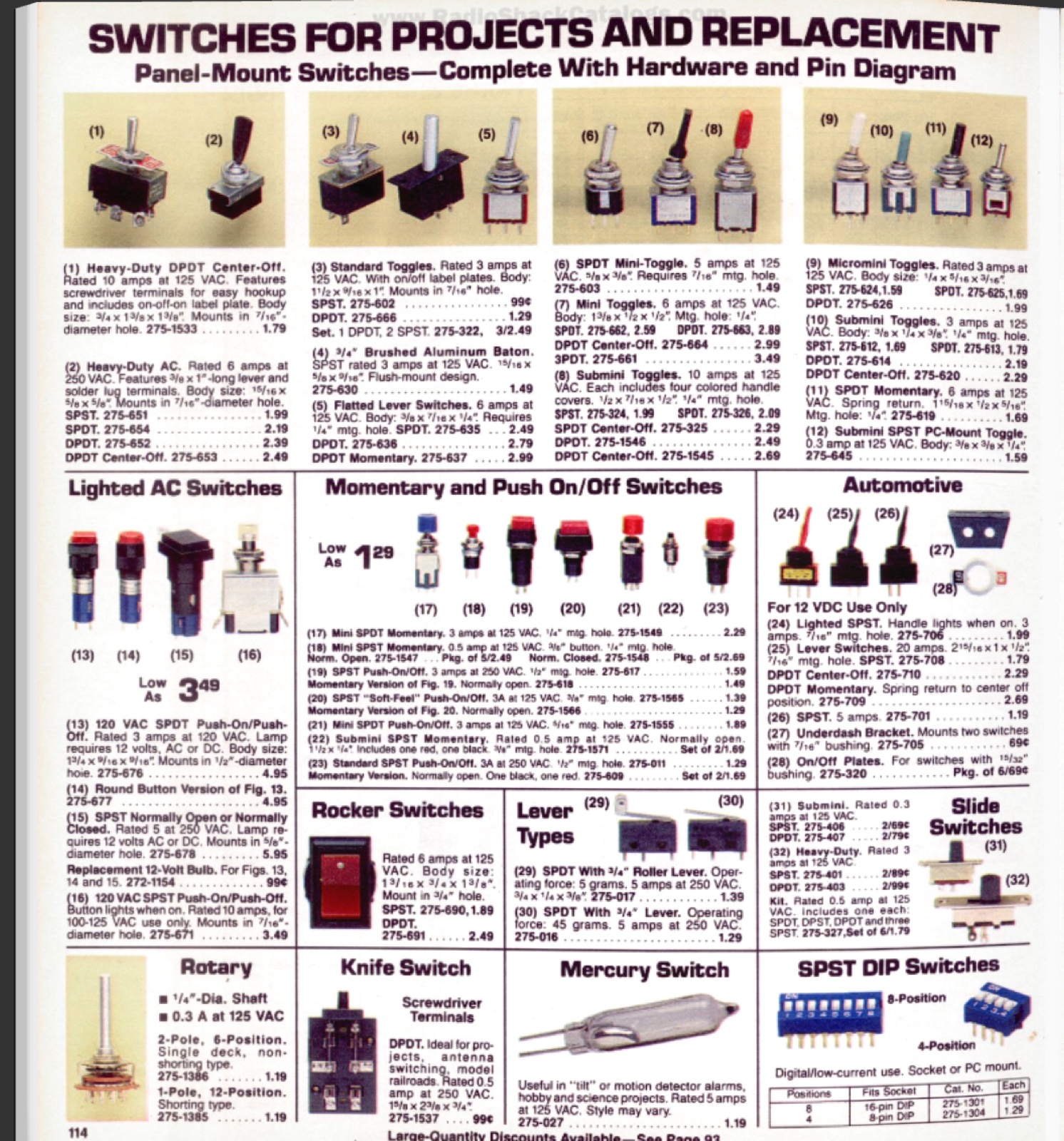
This may be the hill I am most willing to die on: Physical buttons are better than touchscreens.
Especially when they click.
A good button provides information before you even look at it. You know where it is. Your finger knows where it is. You press it and there is resistance, movement, and some sort of tactile confirmation that something actually happened.
Knobs are even better. Volume knobs. Temperature knobs. Fan-speed knobs. Radio tuning knobs. These things evolved over decades because they work.
Then somebody looked at a perfectly good dashboard full of controls and apparently said, "What if we replaced all of this with a glass rectangle?" Now changing the temperature can involve taking your eyes off the road, locating a tiny icon, tapping through a menu, and dragging your finger across a screen.
This is not an improvement. There are things that should be operated by touch rather than sight. Your car's climate controls are near the top of that list.
The same principle applies everywhere else. Light switches. Appliance controls. Stereo equipment. Keyboards. There is a reason a satisfying mechanical switch feels good. Your finger knows when the job is done.
Not everything needs to be smart
None of this is an argument against technology. The phone in your pocket is an astonishing device. Wireless headphones are great. The ReMarkable sitting on top of my notebook is one of my favorite pieces of technology.
The problem isn't smart technology. The problem is unnecessary complexity.
Every additional feature creates another thing that can fail. Every required account creates another password. Every internet connection creates another dependency. Every touchscreen takes something that might have been operated instinctively and turns it into an interface.
Sometimes that tradeoff is absolutely worth it. Sometimes it isn't.
A good piece of dumb technology does not try to anticipate your needs. It doesn't collect data about how you use it. It doesn't receive updates. It doesn't have a roadmap.
It just works. There is something refreshingly honest about that.
The alarm clock rings. The headphones play music. The notebook remembers what you wrote in it.
And when you press the button, it clicks.